
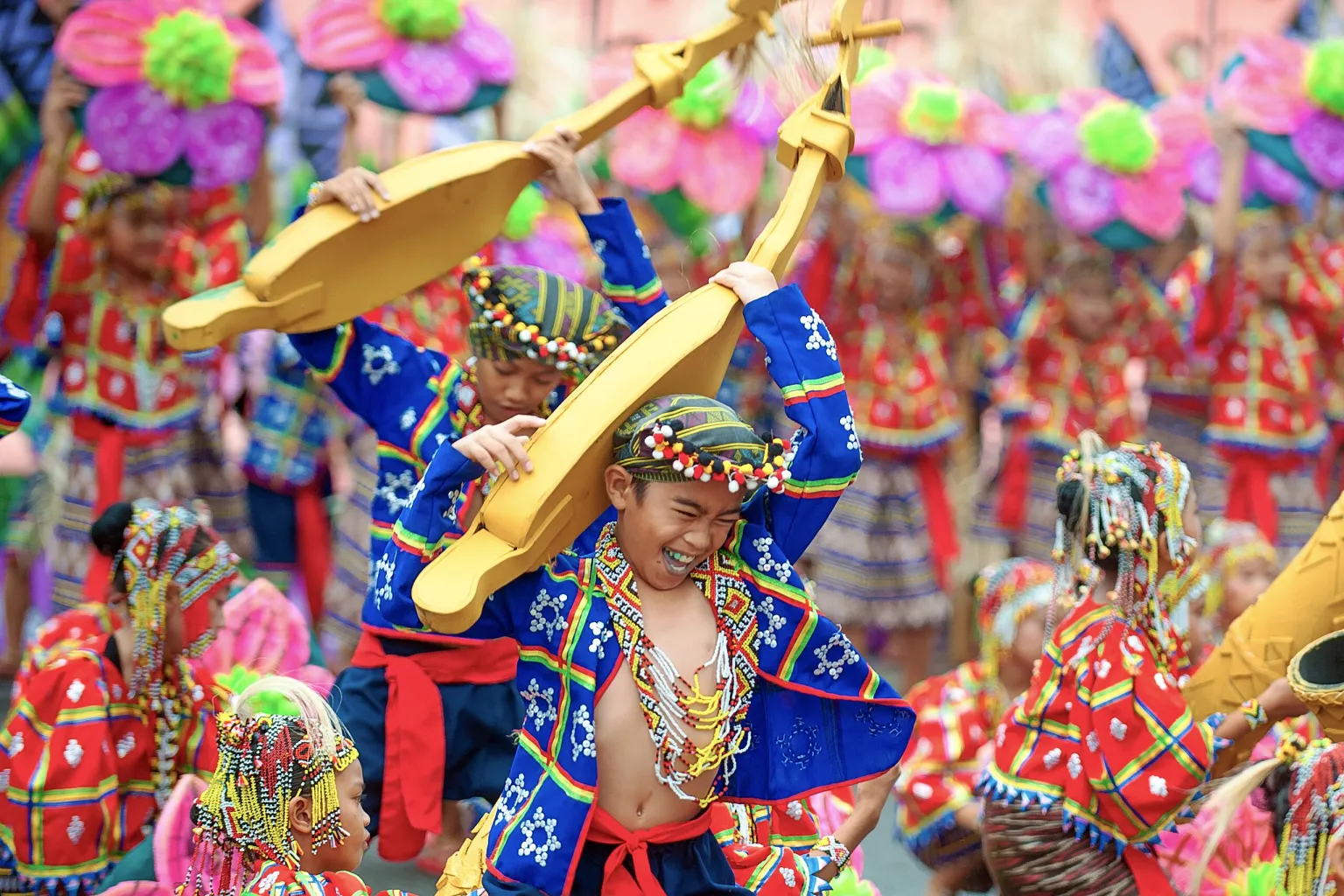
Indak Boy Kadayawan Festival by Fpj455 (CC-BY-SA 4.0) via Wikimedia Commons
Every day, stories are being lost.
Not because they don’t matter, but because no one has written them down yet.
Across the world, people carry memories, traditions, songs, crafts, and histories passed from one generation to the next. Many of these stories live in women’s voices, in Indigenous communities, and in cultures that have rarely been documented online. When they are not recorded, they slowly disappear.
This is why Wiki Loves Folklore 2026 and Feminism and Folklore 2026 matter.
Why This Work Is Important
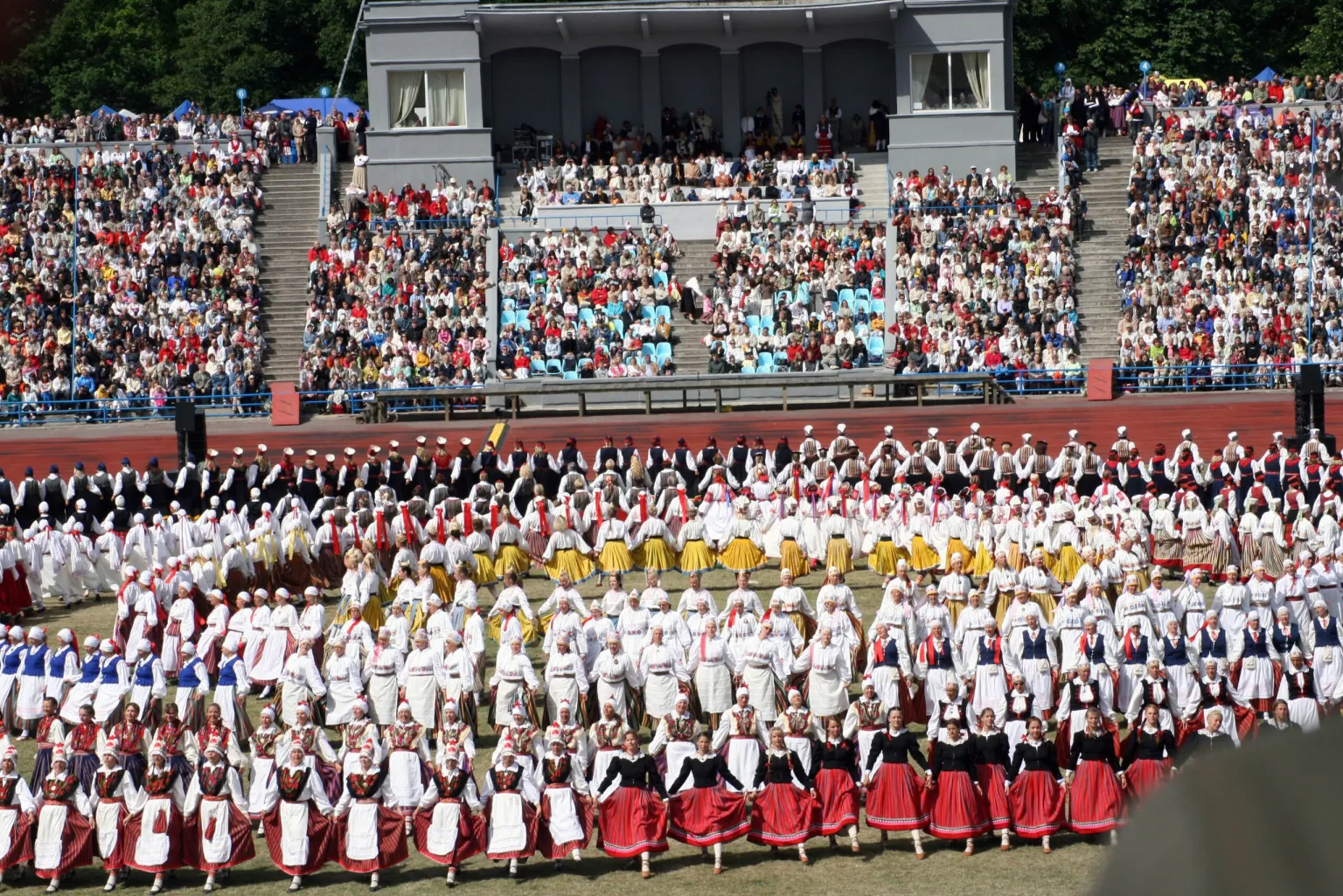
Tallinna song festival by Masii (Public Domain) via Wikimedia Commons
Wikipedia is one of the most used sources of knowledge in the world. Yet today:
- Only about 20.27% of biographies on Wikipedia are about women.
- Many Indigenous traditions, folklore practices, and cultural knowledge are missing or poorly documented.
- Stories from the Global South are still underrepresented.
These are not just numbers. They represent people whose lives, work, and cultures deserve to be seen and remembered.
Folklore is not “old stories.” It is how communities explain the world, teach values, celebrate life, and survive change.
When folklore is missing online, entire communities become invisible.
What These Campaigns Are About
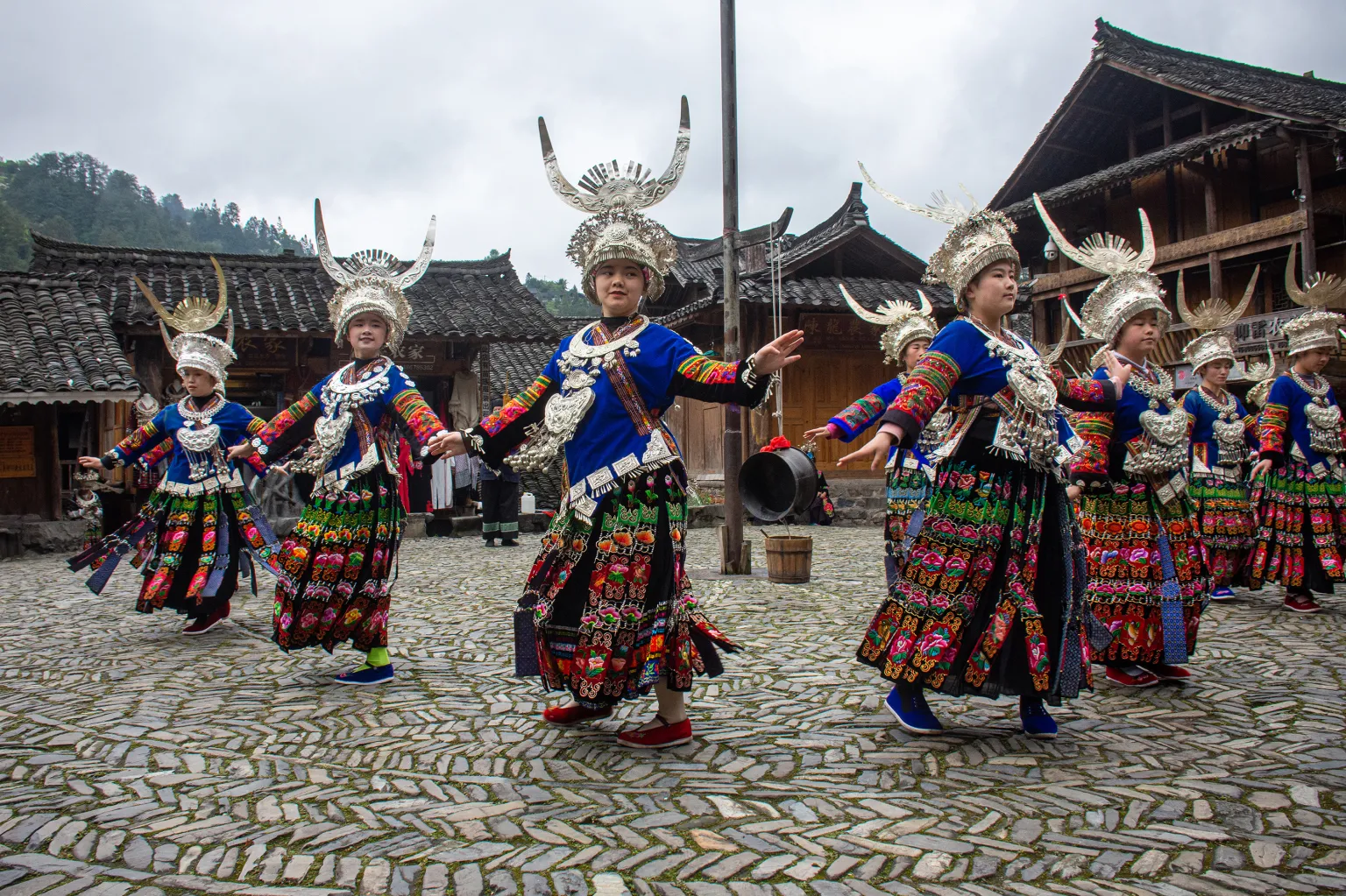
Miao folkdance – Guizhou, China by PeterSzabo83, (CC BY-SA 4.0), via Wikimedia Commons
Wiki Loves Folklore 2026
This campaign focuses on documenting folklore through photos, videos, and audio:
- Traditional clothing
- Cultural festivals
- Folk dances and music
- Handicrafts
- Storytelling traditions
- Everyday cultural practices
Feminism and Folklore 2026
This campaign focuses on writing and improving articles about:
- Women culture bearers
- Female storytellers, artists, and tradition keepers
- Folklore practices led or preserved by women
- Gender and culture from a local perspective
Together, these campaigns help ensure that folklore is documented with respect, accuracy, and local voices at the centre.
What Difference Can You Make?
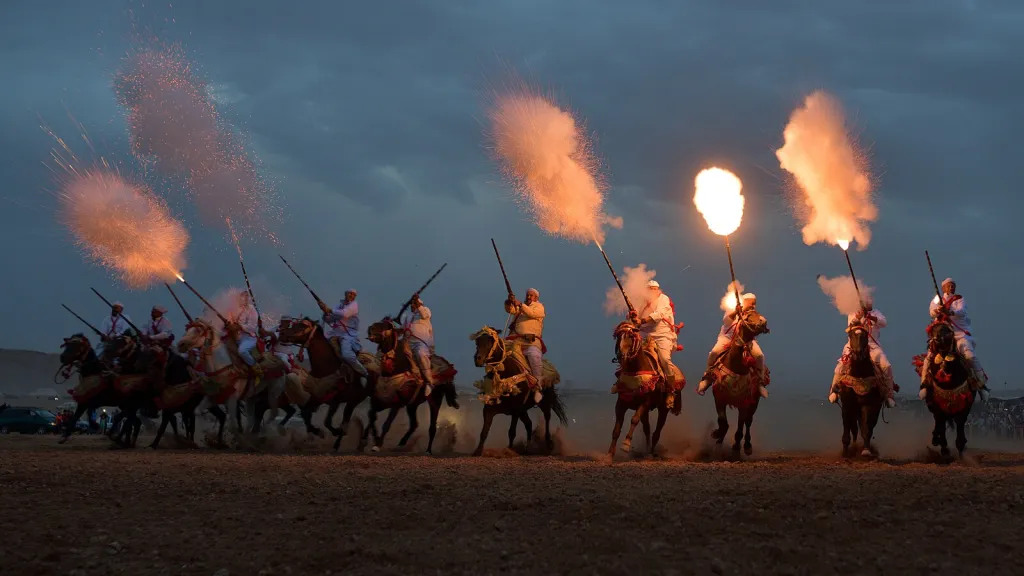
A gunpowder celebration during a traditional season in Morocco by Houssain tork, (CC BY-SA 4.0), via Wikimedia Commons
Imagine:
- A young girl searching online and finding her grandmother’s craft documented on Wikipedia.
- A student learning about women-led cultural practices from another country.
- A researcher discovering well-sourced information about traditions that were once ignored.
This happens when you organise, write, photograph, and support your community.
You do not need to be an expert. You only need to care.
How to Become a Local Organiser
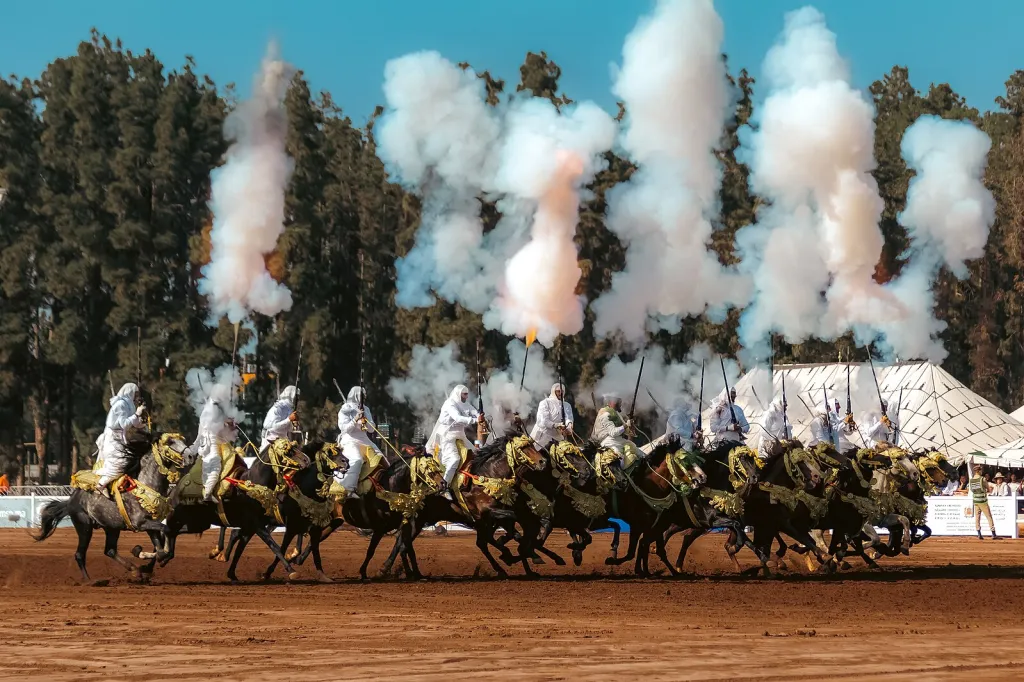
Let there be smoke! by OussamaHamama, (CC BY-SA 4.0), via Wikimedia Commons
If you want to organise these campaigns in your country or community, here’s how to start:
- Step 1: Create a Local Contest Page
This page explains the contest to participants in your community. Use the Sample Page for Guidance to make it simple and clear. - Step 2: Register Your Country
Add your country to the global list so the international team knows you are participating. Register your country here. - Step 3: Submit the Organiser Form
This helps the international team share updates, provide support, and coordinate prizes and tools. Fill the Organiser Form. - Step 4: Join Feminism and Folklore
You can also run the writing campaign alongside Wiki Loves Folklore. Sign up on the Feminism and Folklore 2026 Project Page.
A Final Thought
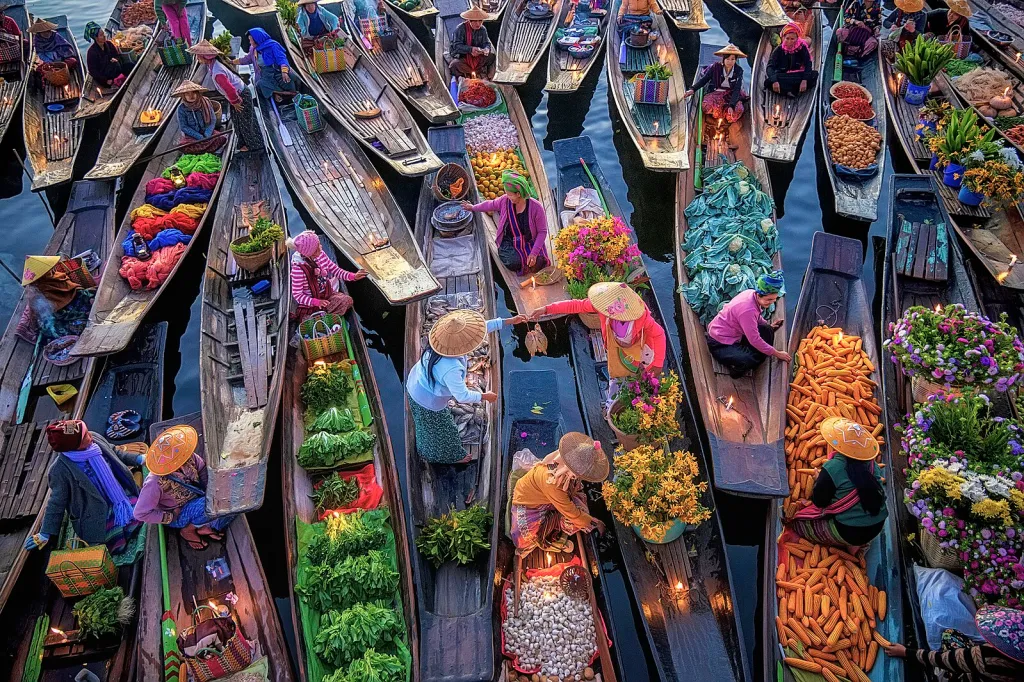
Inle Floating market by Aung Chan Thar Myanmar, CC BY-SA 4.0, via Wikimedia Commons
Every story you help document makes the internet a fairer place.
Every article written, photo uploaded, or tradition recorded ensures that future generations can learn from the past.
You are not just organising a campaign. You are protecting culture. You are amplifying voices. You are shaping how the world remembers us.
If this speaks to you, step forward.
Sign up using the links above and join Wiki Loves Folklore 2026 and Feminism and Folklore 2026.
The stories are already there. They just need someone to help them be seen.
Published on January 10, 2026
#Folklore, #OpenKnowledge, #CulturalHeritage, #WikiLovesFolklore
Share the Post:
Related Posts
OpenKnowledge
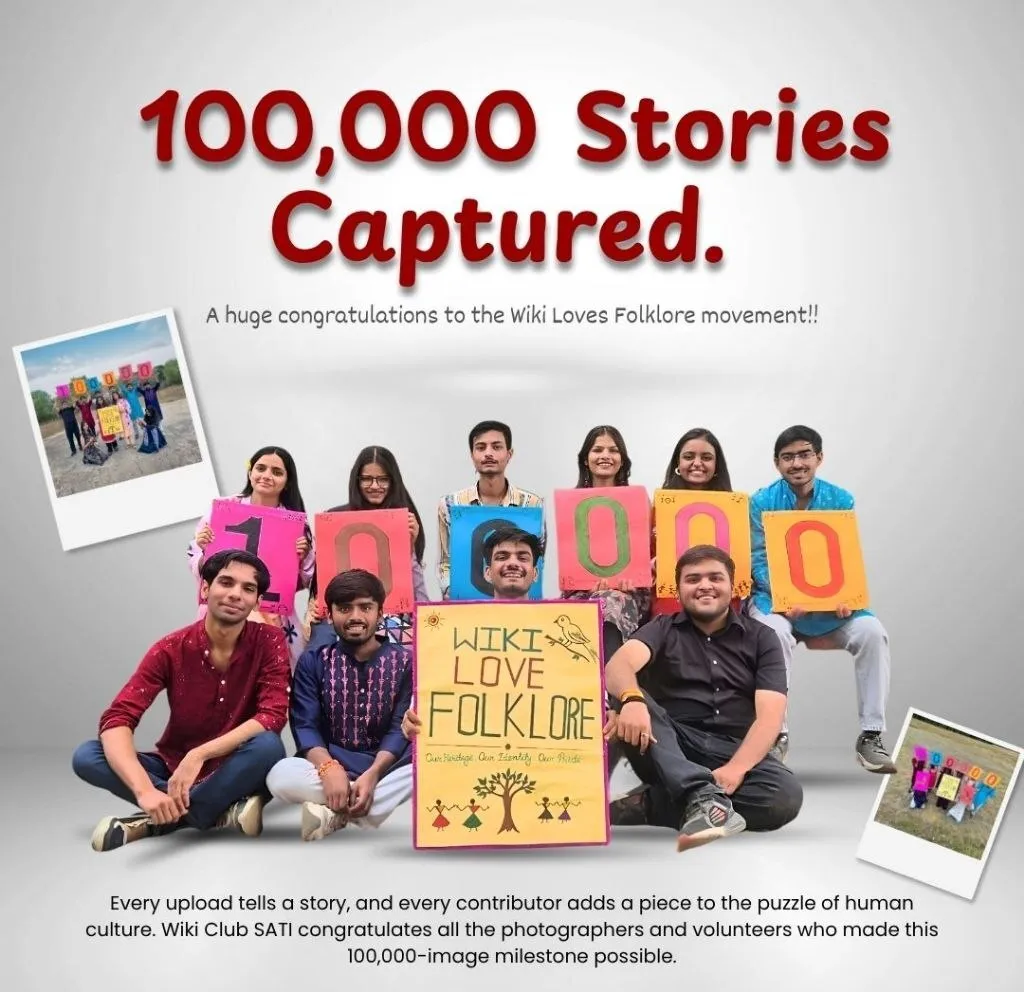
Celebrating a Milestone: Wiki Loves Folklore 2026 Reaches 100,000 Contributions!
Wiki Loves Folklore 2026 crossed 100,000 media contributions, documenting living heritage from approximately 150 countries.
OpenKnowledge
Why Open Knowledge Matters in a Fragmented World
How shared knowledge connects generations and strengthens resilience in times of change.
Join Our Newsletter
Get updates on new stories, open knowledge initiatives, and upcoming community opportunities.


